November 10, 2025
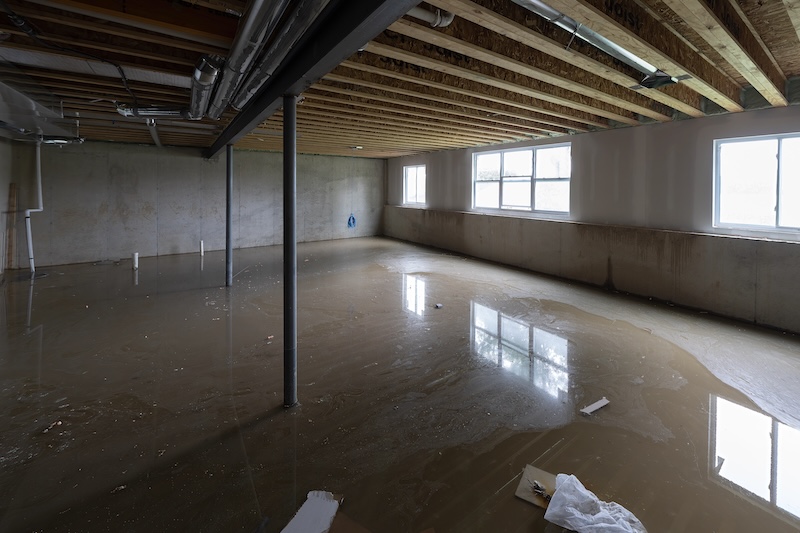
Whether your basement is a fully-finished refuge or a storage eyesore that you hide when company visits, one thing is for sure: if it floods, you have a big problem on your hands. A lot of Cincinnati homes have basements, and investing in aesthetic basements is ever-increasing in popularity among homeowners. The reasons are clear: a basement is versatile, adds practical living space, and can help increase home value. Regardless of how it looks, you don’t want it ruined with water damage — that’s something that will stress any homeowner.
Over the past 15 years, Dry Ally’s leadership has helped homeowners all over Cincinnati address their wet and flooded basements. These areas have a reputation for leaking and flooding — but that doesn’t have to be the case. Here are some key things we know to look for, how to prevent water intrusion, and what to do if your basement floods.
Sometimes a flooded basement is just bad luck, but more often than not, there are risk factors that can be addressed. With a little know-how, you can help keep your home dry, safe, and structurally sound.
Runoff: The single biggest reason for a water-logged basement is surface runoff. Storms, cloud bursts, steady rain, or melting snow can accumulate and drain next to the foundation walls. Here are some things to consider when addressing whether your property is rain-ready:
Hydrostatic Pressure: When soil becomes fully saturated, the water presses against basement walls and floors, and up through pores, cracks, or holes in concrete foundations. If not addressed, this can deform basement walls and flooring and result in costly structural repairs. In Cincinnati, the freeze-thaw cycles make soil shrink and swell, making hydrostatic pressure even more of a problem. Tackle drainage issues, and make sure your foundation is properly protected.
Sewer backup or clogs: Huge amounts of water can overwhelm a city’s storm sewer and backflow to your property. Clogs can also cause backflow. While you can’t always prevent this from occurring, it’s a good idea to help maintain your own sewer lines by pouring root killer down your drains once a year and keeping an eye on drainage.
Plumbing or appliance leaks: An old hot water heater can fail, pipes can freeze or burst, or washing machine water lines can became disconnected, leaving water gushing into your basement. How to prevent this? Make sure to have your water heater inspected yearly, and always keep an eye out for leaks. Older systems are more likely to have plumbing issues, so you may want to install a water leak detection system. Keeping pipes properly insulated will help prevent frozen pipes during cold Cincinnati winters.
Turn off the power: One of the most important things to know is actually what NOT to do. Going into a flooded basement means a real risk of electrocution.
Turn off the gas. Floods can snuff a pilot light in gas-powered appliances, causing natural gas leaks. If you can’t turn it off yourself, call your gas company immediately.
Turn off the water. If you suspect the flood resulted from a plumbing issue or broken appliance, turn off the water main right away.
Call your insurance provider. Especially in the event of a storm that may affect many homes at once, don’t wait to call your insurance company to start a claim.
Call a professional: Dry Ally is available 24/7 to help address your flooded basement. We can be there in an hour or less.
Dry Ally is ready to tackle even the worst-case flooding scenarios, but there is no match for prevention. There’s a lot you can do to help prevent flooding in your basement, and we can help. In addition to making sure your property drains well and pipes are insulated, here’s a maintenance schedule for quick reference:
Biannually:
Annually:
Every 5-7 years:
If your basement is leaking or has already flooded, don’t panic. When things go wrong, our team is there to provide support. We offer comprehensive repair and waterproofing solutions to address water intrusion issues, preventative maintenance, and full-service water damage restoration. We even offer a Water Damage Maintenance Program that will help prevent future leaks and moisture from causing problems. From water extraction and drying to structural repairs, insurance claim assistance, and more, Dry Ally is your trusted Cincinnati source for help.
Your Local Dry Ally
4030 Mt Carmel Tobasco Rd #116, Cincinnati, OH 45255
